
IRS Impersonation Scam: What the Calls Sound Like and What to Do
Last updated: August 11, 2026
- The IRS says it does not demand payment by gift card, wire transfer, or cryptocurrency.
- Key Facts – Real IRS contact usually starts with mailed notices, not an urgent demand on the phone.
- – The IRS does not ask for payment by gift card, prepaid debit card, wire transfer, or crypto.
- – Report suspected scams to the IRS and FTC; keep the phone number, date, time, and voicemail.
Quick Answer: In an IRS impersonation scam: what calls sound like what do, the safest move is to hang up, verify through IRS.gov or an official notice, and never pay a caller directly. The IRS says it does not demand payment by gift card, wire transfer, or cryptocurrency. Already shared money or personal data? Act the same day.
Key Facts
– Real IRS contact usually starts with mailed notices, not an urgent demand on the phone.
– The IRS does not ask for payment by gift card, prepaid debit card, wire transfer, or crypto.
– If you gave a Social Security number, bank login, or code, treat it as a possible fraud incident.
– Report suspected scams to the IRS and FTC; keep the phone number, date, time, and voicemail.
– If you’re unsure, check IRS.gov, a mailed notice, or a tax professional.
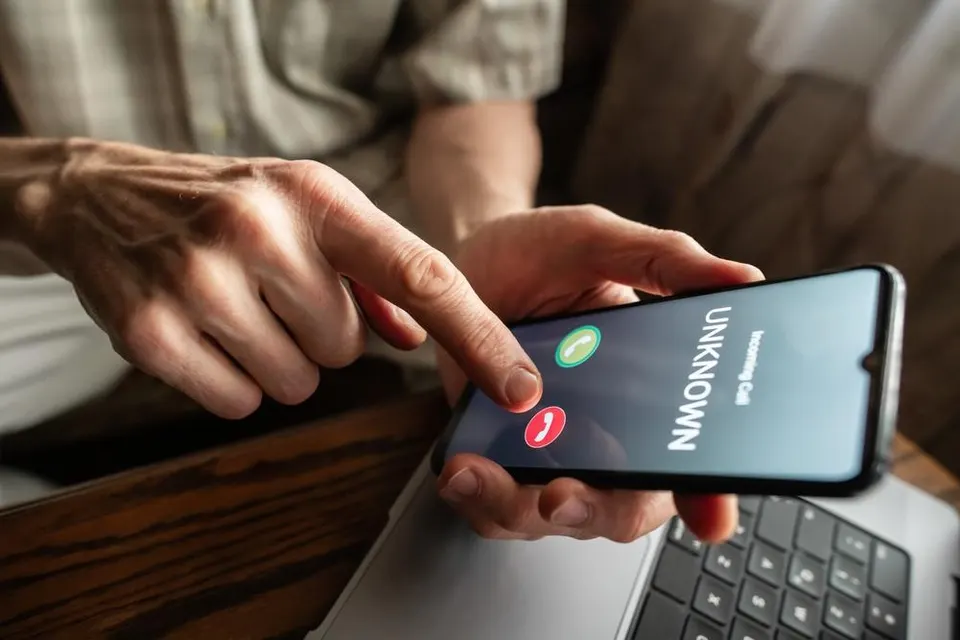
Someone says they are calling from the IRS. Fine — but do not buy it on sight. In an IRS impersonation scam: what calls sound like what do, the voice is usually urgent, official, and a little too eager to scare you. Hang up first. Then check.
I’ll show the common script, the clues that give it away, and what to do next based on what happened in your case.
What an IRS Impersonation Call Usually Sounds Like
Pressure comes first. Should the caller want action right now, that is the warning flare. IRS impersonation scams tend to sound like a panic script, and it’s often delivered with just enough calm to seem real. Polite at the start, harsh if you pause. Ugly little trick.
The caller may say you owe back taxes, that a warrant exists, that your Social Security number is tied to fraud, or that your bank account is about to be seized. Sometimes they say the problem goes away if you pay immediately by wire transfer, gift card, prepaid debit card, cash app, or cryptocurrency. That is not how the IRS collects money.
The real IRS usually starts with mailed notices, not a surprise demand on the phone. And it does not keep you on the line while you pay — especially not with gift cards or wire transfers.
Here is the kind of pattern I would listen for:
- a caller ID that says “IRS” or “U.S. Government”
- a robotic or overly rehearsed opening
- an urgent threat: arrest, deportation, license suspension, frozen assets
- a demand that you “confirm” your SSN, bank account, or one-time code
- a refusal to let you call back on a published IRS number
- pressure to pay through an unusual method
If you hear several of those at once, assume scam first and verify later. Safer. Plain and simple.
Quick check: Should the caller threaten you, demand immediate payment, or ask for sensitive details, treat it like a scam until proven otherwise. If you’re unsure, confirm it with IRS.gov or a tax professional.
What Actually Makes It a Scam, Not a Real IRS Call
Already have a letter from the IRS? That matters more than the call. Real IRS contact usually begins with written notice, not a cold phone pitch. The IRS explains its own warning signs on its page about IRS impersonation scams, and the Federal Trade Commission also tracks government impersonation scams; both are worth reading if you want the official playbook. The IRS identity theft and fraud resources page is useful too.
A payment method that sounds like a shortcut changes the answer fast. Real tax disputes do not get solved by buying gift cards or sending a stranger money over the phone. And if someone says you can avoid arrest by paying within the hour, they are trying to slam the door on your judgment. Classic pressure move.
Here’s the decision table I use for this kind of call, but if your tax situation is unusual, check with a professional before acting:
| Situation | Best Path | Why Other Options Fail |
|---|---|---|
| Caller threatens arrest or immediate seizure | Hang up, verify through an official IRS number, keep notes | Staying on the line rewards the scammer and increases pressure |
| Caller asks for gift cards, crypto, wire, or prepaid cards | Do not pay; report the call | Legitimate tax collection does not work that way |
| Caller has part of your personal info | Treat it as a scam anyway | Scammers often use leaked data to sound credible |
| You already owe taxes | Verify through your IRS Online Account or mailed notices | A real debt does not require paying the caller directly |
| Caller refuses a callback number | End the call | Real agencies let you verify contact details independently |
Use IRS.gov or the number on an official notice you already received if you want to verify a possible IRS notice, not the number the caller gives you. The IRS has a scam reporting page and a page for identity theft and fraud resources; the FTC also has a complaint system for impersonation scams.
Quick check: If the caller’s payment method, urgency, or refusal to verify doesn’t match normal IRS process, assume it is fraudulent. If you need help, consult a tax professional or the IRS.
If You Gave No Information Yet, Do This First
Got out early? Good. Now make sure the scammer does not turn one call into three. Do not answer follow-up calls from the same number. Do not text back. Do not click any link sent by text or email. If the caller left a voicemail, save it. If you can, take a screenshot of the caller ID and write down the exact words they used.
Then do this in order:
- Save the evidence: voicemail, phone number, date, time, and what was said.
- Block the number on your phone, but keep the original voicemail or screenshot.
- Check whether you have any real IRS notices in your mail or IRS Online Account.
- Report the attempt to the Treasury Inspector General for Tax Administration through the IRS impersonation scam reporting page.
- File a complaint with the FTC at ReportFraud.ftc.gov.
- If the call used your employer’s number or family’s number, warn them too.
If the scammer only got your phone number and nothing else, the main risk is future spam, not immediate identity theft. Still, don’t shrug it off. These crews recycle numbers and come back with a nastier script. I’ve seen that pattern over and over. Should you think the call was part of a wider phishing attempt, watch for texts or emails claiming to be from the IRS, the state tax agency, or a bank.
Small-business owners have a slightly messier problem because scammers sometimes pivot from “personal tax debt” to “business payroll issue” or “EIN verification.” In that case, verify any tax claim only through your accountant, payroll provider, or the official IRS channels you find yourself.
Quick check: If you hung up before sharing money or personal data, your next move is documentation, reporting, and blocking—not calling the number back.
If You Already Gave Information or Money
If you gave your Social Security number, bank details, a one-time code, or payment, move fast. The right response changes the moment data or money leaves your hands. I’d treat this as a potential identity theft and financial fraud problem, not just a nuisance call; if you’re unsure what to do next, contact your bank or a tax professional right away.
Start with the most immediate risk. If you gave bank or card information, contact your bank or card issuer right away and ask for fraud monitoring or a card replacement. If you sent a wire, cashier’s check, gift card, crypto, or app payment, ask the provider whether any recovery is possible, but do not count on it. If you gave enough personal information for identity theft, freeze your credit with the three major credit bureaus and consider placing a fraud alert.
Then move in this order:
- Contact your bank, card issuer, or payment app immediately and report unauthorized transfer risk.
- Change passwords for email, banking, and IRS-related accounts, starting with the email tied to your financial accounts.
- Freeze your credit with Equifax, Experian, and TransUnion if identity theft exposure is possible.
- Go to IdentityTheft.gov and follow the recovery steps for the type of information exposed.
- Report the scam to the IRS impersonation scam page and to the FTC at ReportFraud.ftc.gov.
- If you gave your SSN and now see strange tax notices, contact the IRS using an official number from IRS.gov or a mailed notice.
If the caller got your payment card number but not your bank login, the bank or card issuer is the first call. If they got your bank login, the situation is more serious, and I would move immediately on account security and identity theft steps. If you paid by gift card or crypto, that is especially hard to unwind, so speed matters even more.
One honest limitation: reporting is still worth doing even when recovery feels unlikely, but it may not bring the money back. The goal then is damage control and preventing follow-on fraud. Cold comfort, but true.
Quick check: If you shared banking data, a code, or money, your priority is account protection, not just scam reporting. If you’re unsure how far the damage goes, ask your bank or a professional for help.
If the Caller Left a Voicemail or Texted You
Voicemail or text can help. At least you have a record, and you can slow down before doing anything. The trap is treating a message as proof. Scammers can spoof numbers and make messages look official. Slick. Annoying. Common.
If a text says you owe taxes, have a refund issue, or need to click a link to “verify” your identity, do not click. If the voicemail says “call back immediately,” do not use the number they gave you. Verify the issue through IRS.gov or an official notice you already have. The IRS does not use random text messages to collect immediate payment.
Use this path:
- Screenshot the text or save the voicemail before deleting anything.
- Look for grammar, odd formatting, or links that do not lead to a government domain.
- Do not reply, even to say “stop.”
- Check your IRS Online Account if you already have one, or compare the message to any official mail you received.
- Report the message to your mobile carrier’s spam reporting option if available.
- Report the scam through the IRS and FTC channels.
If the text includes a link, the risk shifts from phone scam to phishing. That matters because clicking can expose login credentials or install malicious software. If you already clicked but did not enter information, you still should check your device for unknown profiles, apps, or browser prompts. If you entered credentials, change the password immediately and secure the account after you verify the account owner’s official recovery steps.
Quick check: If the message wants you to click, reply, or call a number from the text, treat it as phishing or impersonation and stop there.
What To Do If You’re Not Sure It Was Really the IRS
Maybe you owe taxes. Maybe you recently changed jobs. Maybe the address on file is old, so the whole thing feels weird. That uncertainty is exactly what scammers count on. Guessing is the wrong move.
If you’re unsure, use only contact information from IRS.gov or from a mailed notice you already trust. Do not use a number read to you over the phone. If you have an IRS Online Account, check whether there is a balance due or correspondence waiting there. If you filed with a tax preparer, ask them to help interpret any notice before you pay anything.
This is the safest path when you have a possible real tax issue:
- Find any mailed IRS notice and read the notice number, tax year, and contact instructions.
- Log in to your IRS Online Account, if you have one, and compare the notice with your account records.
- If the phone call mentioned a debt, match it against your own filing records or your preparer’s records.
- Call the IRS using the official number from IRS.gov or the mailed notice, not the caller’s number.
- Ask for the issue in writing if the caller was real.
- Do not pay until you understand exactly what tax year, what form, and what amount is being discussed.
Payroll tax, business tax, or an old balance you know exists can make the call feel believable. It can still be fake. Scammers piggyback on genuine anxiety, and that’s the rub.
Quick check: If you’re unsure because you really may owe taxes, verify through IRS.gov or a mailed notice before you touch the payment step.
Edge Cases Where the Usual Advice Breaks Down
Some situations need a slightly different response. The basic advice still helps, but not always by itself.
-
Situation: the caller knows your full SSN and old address
What changes: the scam sounds more credible because data leaks are common.
What to do instead: treat it as fraud anyway, but move faster on credit freezes and identity theft monitoring. -
Situation: you are expecting a real tax issue because of a recent filing mistake
What changes: you may be tempted to trust the caller.
What to do instead: verify only through IRS mail, IRS.gov, or your tax pro. Do not resolve it over the caller’s line. -
Situation: the call claims to be about employment taxes, payroll, or an EIN
What changes: business owners can get caught off guard because the details sound technical.
What to do instead: route the issue through your bookkeeper, CPA, or payroll provider and confirm with official IRS contact info. -
Situation: someone in your household already answered and shared details
What changes: the risk is no longer just a single call.
What to do instead: change account passwords, monitor financial accounts, and talk through what was shared so you can judge identity theft exposure. -
Situation: the caller demands a code from a text message
What changes: this may be a login takeover attempt, not a tax debt scam.
What to do instead: do not give the code. Change the password on the affected account and secure your email first. -
Situation: the scam used a local number or your area code
What changes: caller ID becomes useless as evidence.
What to do instead: ignore the number and focus on the content of the call and the payment demand.
Quick check: If the scam used your real data, a business tax angle, or a code request, you need identity-theft thinking, not just call blocking.
Short FAQ
How do IRS impersonation scams usually start?
They usually start with a threat: you owe money, your account is in trouble, or you face arrest unless you act now.
Will the IRS call me out of the blue?
Sometimes the IRS does make contact by phone, but a surprise call that demands immediate payment, gift cards, or personal information is not normal IRS practice.
